News Feed
Loading...
Loading...
Loading...
Loading...
Loading...
Loading...
Loading...
Loading...
Loading...
Loading...
News Feed
ChaiViz
15.08.2025
Most players think they understand laning fundamentals, but when you watch Dota 2 live stats during professional matches, there's one critical mechanic that consistently separates winners from losers. Whether you're struggling to break into higher brackets or looking to refine your gameplay for better prediction accuracy, mastering creep aggro will transform how you approach every lane and analyze match statistics.
The harsh reality? Even players in the 6-7k MMR range consistently misuse this basic fundamental. They miss farm, take unnecessary damage, and fail to create advantageous positions simply because they never learned to properly manipulate creep behavior.
Every successful trade, every denied creep, and every positional advantage starts with understanding how creeps think. When you watch professional players effortlessly control lane equilibrium while maximizing farm, they're executing creep aggro fundamentals that most players never properly learned.
Creep aggro serves four essential functions that directly impact your ability to win lanes and, consequently, predict match outcomes accurately. You need it to win trades without taking damage, manipulate wave positioning, secure safe farm (most important for melee heroes), and force opponents into vulnerable positions.
The problem runs deeper than simple execution errors. Most players don't understand the underlying mechanics well enough to use creep aggro strategically throughout the laning phase.
Picture this scenario: you're trying to secure a last hit on the ranged creep, so you aggro the enemy wave to pull it closer. But you're standing next to the enemy hero when you do it. The creeps start chasing you, but now you're taking harassment from both the enemy hero and their creeps simultaneously.
This happens because players focus solely on getting the aggro without considering their positioning relative to enemies. The solution requires understanding the 500-unit aggro range (the same distance your ranged creep can attack). Use this visual reference to judge safe aggro distances.
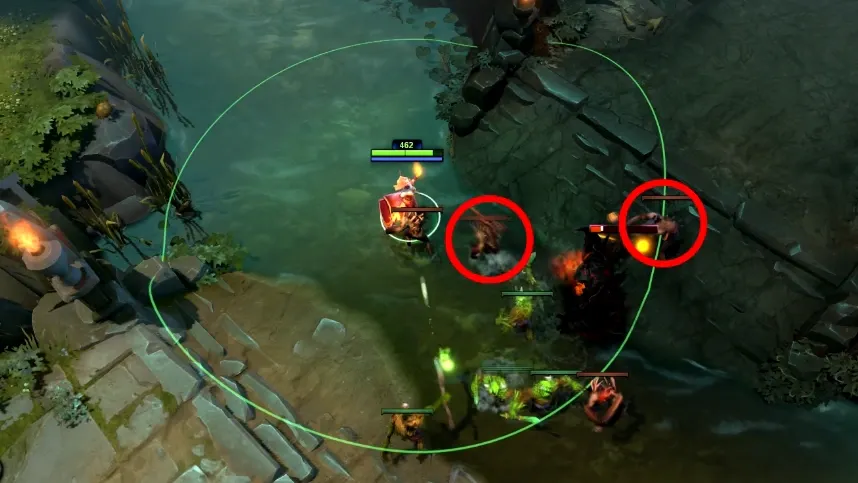
Always position yourself so you can aggro creeps while maintaining distance from enemy heroes. Think of it as creating a triangle: you, the creeps you want to aggro, and the enemy hero should form three distinct points with you having an escape route.
The opposite extreme proves equally damaging. Players attempt to aggro creeps from outside the effective range, triggering the three-second cooldown without achieving any benefit. This leaves them vulnerable during trades while their aggro ability remains on cooldown.
Remember that 500-unit range rule. If you're beyond your ranged creep's attack distance from the enemy creeps, your aggro attempt will fail. The timing becomes crucial because once you trigger the cooldown unsuccessfully, you lose your defensive and offensive options for three full seconds.
Practice identifying the maximum effective range by watching your ranged creep's attack animations. When your ranged creep can hit their target, that’s 500 range.
Global aggro represents the most underutilized aspect of creep control. You can aggro enemy creeps by attack-commanding enemy heroes anywhere on the map, even if they're in your base and the creeps are in lane. This technique opens up advanced positioning and wave manipulation possibilities.
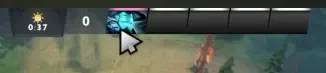
The most common application involves clicking the enemy hero portrait at the top of your screen while pressing A (attack command). This triggers aggro without requiring line of sight or proximity to the enemy hero. You can deny your ranged creep safely while repositioning the enemy wave simultaneously.
Advanced players use global aggro to manipulate waves before arriving in lane, set up ganks by controlling creep positioning, and maintain wave equilibrium while roaming.
The fundamental numbers define everything about creep aggro behavior. The 500-unit aggro range determines when you can trigger the effect. The three-second cooldown prevents spam usage. The 2.3-second chase duration defines how long creeps will pursue you before returning to their original behavior.
Creep aggro doesn't require you to actually hit the enemy hero. The attack command alone triggers the response. This means you can aggro creeps by attack-commanding enemies anywhere on the map, creating the global aggro opportunities mentioned earlier.
Understanding chase duration proves critical for advanced techniques. After 2.3 seconds, chasing creeps become susceptible to deaggro commands. Before this timer expires, they ignore your attempts to redirect them to your own creeps.
Deaggro mechanics work differently depending on creep state. You can immediately deaggro creeps that aren't actively chasing you by attack-commanding your own creeps. However, creeps in active chase mode (within their 2.3-second pursuit timer) ignore deaggro attempts.
This timing creates strategic opportunities. You can aggro enemy creeps, use the chase duration to reposition or secure farm, then deaggro them by attacking your own creeps once their chase timer expires. The technique becomes particularly powerful for melee heroes who need to approach dangerous farming positions.
Tower aggro follows similar principles to creep aggro, making these skills transferable to diving situations and defensive scenarios under your own towers.
Different heroes benefit from creep aggro mastery in unique ways. Melee cores use aggro to farm safely without taking harassment. Support players use it to control wave positioning for their carries. Mid laners use it to secure rune control while maintaining wave position.
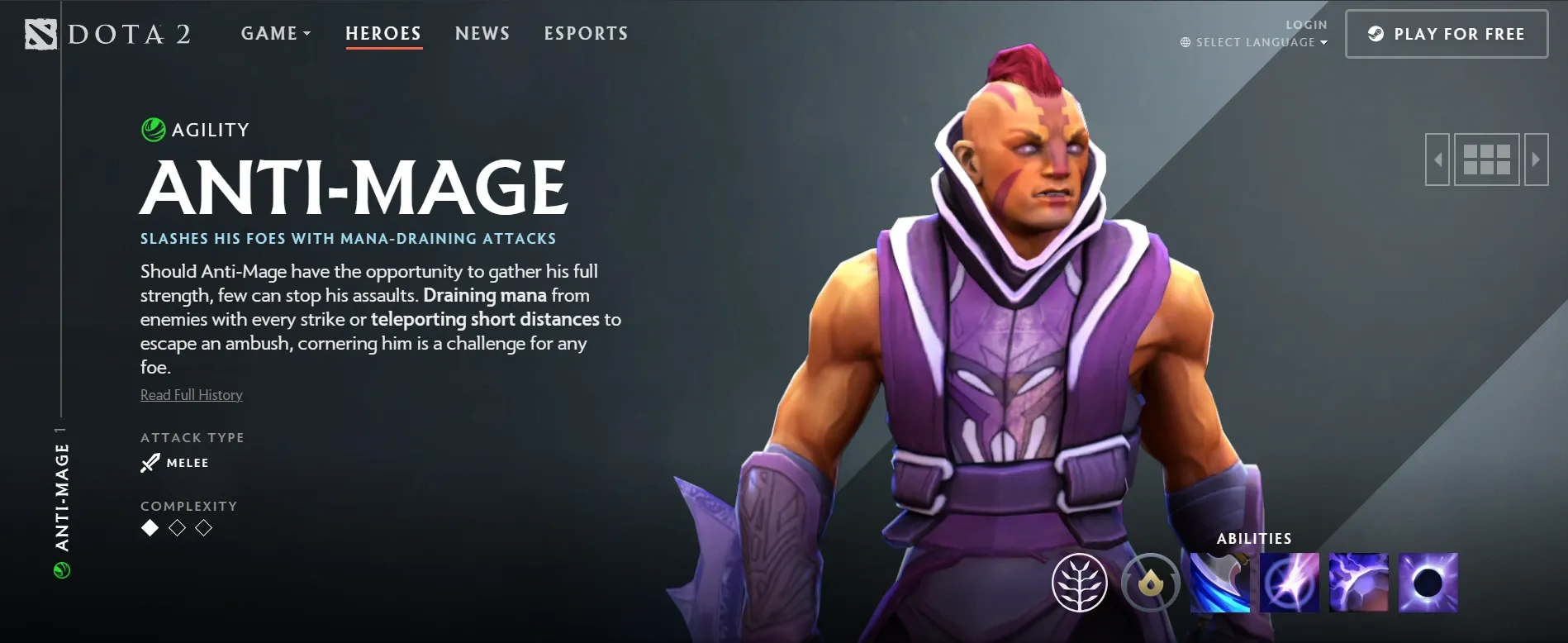
For practicing these techniques, certain position 1 heroes offer ideal learning environments due to their built-in safety mechanisms. Anti-Mage provides excellent practice opportunities with his Blink ability, allowing aggressive creep aggro positioning with instant escape options. When you aggro enemy creeps to secure farm, you can immediately Blink away if enemies respond with harassment.
Source: Valve
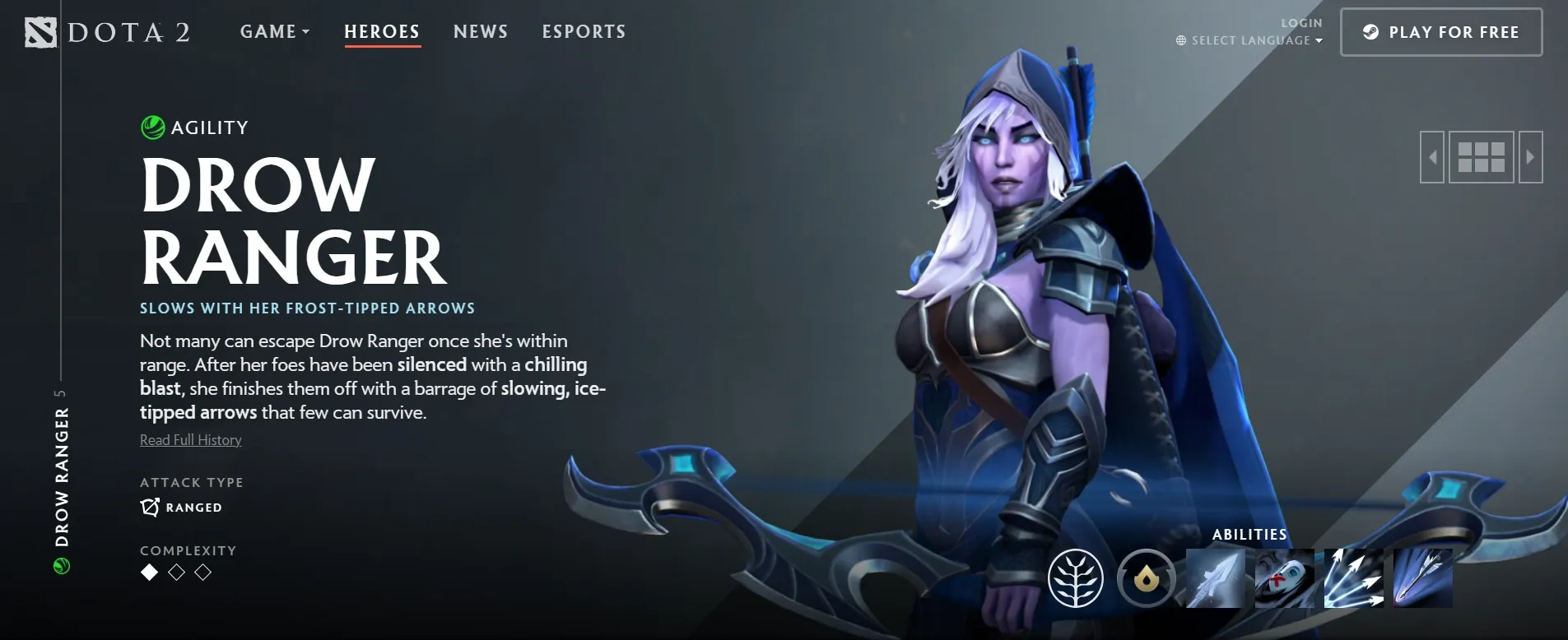
Drow Ranger offers another excellent practice hero through her Gust ability, which silences and knockbacks enemies who try to punish your aggro attempts. This disengage tool gives you confidence to practice more aggressive creep manipulation without fear of immediate retaliation. Her ranged attack range also provides natural safety while learning proper aggro distances.
Source: Valve
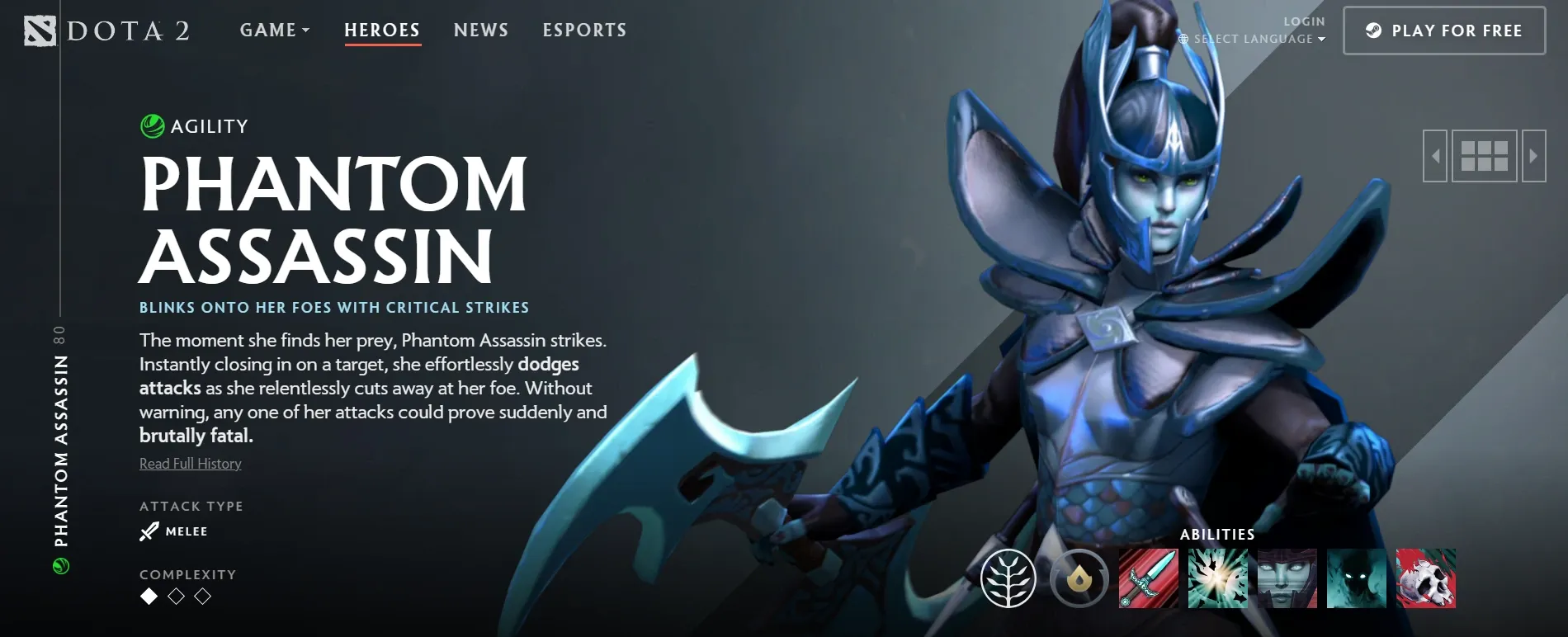
Phantom Assassin combines survivability with learning opportunities through her Blur passive and Phantom Strike. The evasion helps mitigate punishment from positioning mistakes, while Phantom Strike provides both engagement and escape options during creep aggro practice scenarios.
Source: Valve
Consider how professional players approach these scenarios with similar heroes. They don't just react to creep positions, they proactively create advantageous situations through controlled aggro usage. This separation in fundamental execution often determines who reaches the top of skill brackets.
When you understand these mechanics deeply, you start recognizing them in professional matches and interpreting Dota 2 live stats more accurately. You can predict when players will struggle in lane, when they'll secure farm advantages, and how wave positioning will affect upcoming fights. This knowledge directly improves your ability to make accurate predictions on any Dota 2 betting site.
Creep aggro mastery improves your personal gameplay, and it enhances your ability to evaluate professional matches. When you understand how these fundamentals work, you can assess which players execute them correctly under pressure.
Watch for players who consistently maintain favorable wave positions, secure farm efficiently, and avoid unnecessary damage during trades. These indicators often predict which teams will gain early advantages that compound throughout the match.

The next time you're analyzing upcoming matches for predictions, pay attention to laning fundamentals during the early game. Teams with superior creep control typically translate early advantages into map control, objective timing, and ultimately, match victories.
Understanding these mechanics gives you analytical edge that separates informed predictions from pure guesswork. Whether you're watching live matches or reviewing replays, creep aggro execution reveals player and team skill levels that directly correlate with match outcomes.
Your improved game sense becomes your prediction advantage. Master these fundamentals, and you'll find yourself making more accurate assessments of team capabilities and match dynamics.
ChaiViz
15.08.2025
Article TAGS