ChaiViz
22.09.2025
Reviews
New Games 2025: September Week 4 Spotlight
Welcome back to our weekly gaming roundup! September has arrived with an absolutely stellar collection of releases that showcase the incredible diversity of modern gaming. From Supergiant's highly anticipated sequel to a haunting new chapter in psychological horror, this week offers something compelling for every type of player. Before we explore this week's new games 2025 highlights, don't forget to check out our esports predictions and analysis for comprehensive tournament coverage across Dota 2 and Counter-Strike 2. The industry drama continues to unfold as well, with legal battles and pricing controversies making headlines.
Game Releases
Hades II
Platforms: PC, Nintendo Switch 2
Release Date: September 25, 2025
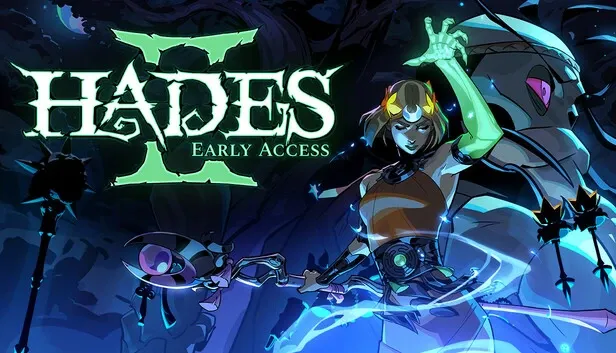
After years of anticipation and early access refinement, Supergiant Games has delivered what many consider the most ambitious sequel in independent gaming. Hades II transforms the proven formula of its predecessor into something genuinely revolutionary, expanding beyond the familiar confines of the Underworld into a mythic experience that feels both intimately personal and cosmically significant.
Playing as Melinoë, the immortal Princess of the Underworld, you'll discover that this isn't simply more of the same roguelike action. The scope has expanded dramatically, with deeper mythological connections and an intricate witchcraft system that fundamentally changes how you approach each run. The integration of ancient magick with legendary weapons creates nearly limitless build possibilities, while the enhanced Boon system featuring over a dozen Olympian gods provides strategic depth that rivals the most complex action RPGs.
What truly sets Hades II apart is its commitment to meaningful progression. The Altar of Ashes introduces persistent mysteries that unfold across multiple runs, while the Tools of the Unseen add resource management layers that feel organic rather than tedious. The return of God Mode ensures accessibility without compromising the challenge that defines the series, striking that perfect balance between welcoming newcomers and satisfying veterans who demand escalating difficulty.
Supergiant's signature presentation reaches new heights here, with hand-painted environments that breathe with mythological authenticity and a fully-voiced cast that brings genuine emotional weight to every interaction. This represents the evolution of roguelike design, proving that sequels can expand meaningfully without losing the essence that made the original special.
Tokyo Xtreme Racer
Platforms: PC
Release Date: September 25, 2025
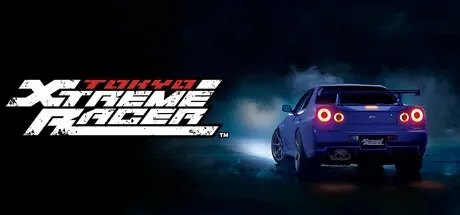
The legendary street racing series returns with a meticulously crafted love letter to Tokyo's underground racing culture. Set in a sealed-off future Tokyo, this latest iteration captures the essence of midnight highway battles with an authenticity that goes far beyond simple arcade racing mechanics.
The Spirit Point Battle system remains the franchise's defining innovation, transforming racing from pure speed contests into psychological warfare. Victory requires more than technical driving skill. You must master the mental game, breaking your opponent's resolve through strategic positioning and calculated aggression. This unique approach to competitive racing has never been successfully replicated, making Tokyo Xtreme Racer a singular experience in the genre.
The faithfully recreated Tokyo Expressway serves as both playground and character, with complex elevation changes and technical corners that reward intimate knowledge of every curve. The extensive wheel support, including high-end options like the Fanatec CSL DD and Logitech PRO Racing Wheel, signals serious commitment to simulation enthusiasts who demand precision hardware integration.
What elevates this beyond nostalgia is the mysterious rival system that generates emergent storytelling through each encounter. Every headlight flash initiates a unique narrative moment, with distinctive cars and driving styles that reflect their owners' personalities. The result feels like participating in an underground racing documentary where you're simultaneously the protagonist and witness to Tokyo's hidden automotive culture.
Silent Hill f
Platforms: PC, PS5, Xbox Series X/S
Release Date: September 25, 2025
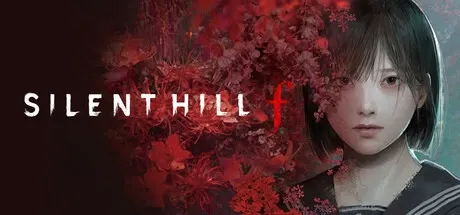
The return to Silent Hill takes a bold creative direction that honors the series' psychological horror legacy while exploring distinctly Japanese cultural themes. Set in 1960s Japan, this entry transplants the franchise's atmospheric terror into a meticulously researched historical setting that adds cultural authenticity to the surreal nightmare logic.
Following Shimizu Hinako through the fog-consumed town of Ebisugaoka, the game explores themes of isolation and community breakdown that feel particularly resonant in contemporary contexts. Renowned author Ryukishi07's involvement brings literary depth that elevates the narrative beyond typical horror game storytelling, while Akira Yamaoka's return ensures the audio design maintains the series' iconic unsettling atmosphere.
The Japanese setting isn't merely cosmetic, it fundamentally shapes the horror experience through cultural specificity that creates genuine unease rather than relying on familiar Western horror tropes. The complex puzzles and grotesque monster designs emerge organically from this setting, creating a cohesive nightmare that feels both foreign and disturbingly familiar.
This represents a fascinating experiment in cultural horror translation, demonstrating how established franchises can reinvent themselves while maintaining their core identity. The focus on "beauty hidden within terror" suggests a more nuanced approach to psychological horror that could redefine what Silent Hill means for modern audiences.
CloverPit
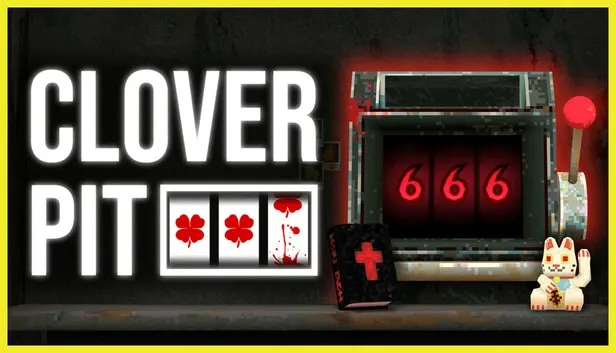
Platforms: PC
Release Date: September 26, 2025
CloverPit presents one of the most audacious genre combinations in recent memory, fusing the addictive mechanics of Balatro with the tension of Buckshot Roulette into something genuinely unsettling. This roguelike horror experience traps players in a claustrophobic scenario where debt management becomes a matter of literal survival.
The core concept, manipulating a slot machine to pay off escalating debts, creates immediate tension that builds naturally into psychological horror. The game's 150+ items and synergies provide the mechanical depth necessary to sustain long-term engagement, while the meta-progression ensures that each failure contributes meaningfully to future attempts.
What makes CloverPit particularly clever is its explicit rejection of actual gambling mechanics while exploring addiction themes through game design. The slot machine is deliberately designed to be broken and overcome, creating a power fantasy around conquering systems of chance rather than succumbing to them. This approach allows for genuine commentary on gambling addiction while maintaining ethical game design principles.
The hellish escape room atmosphere combined with the sinister addiction narrative creates a unique horror experience that operates on multiple levels simultaneously. CloverPit succeeds because it understands that true horror often emerges from systems we create ourselves, making the player complicit in their own torment while providing clear paths to redemption.
Happenings in the Gaming World
Physical Games Now Just 3% of PlayStation Sales
Sony's latest corporate report reveals a dramatic shift in gaming commerce that reflects broader industry trends toward digital distribution and live-service engagement. Physical software sales now represent merely 3% of PlayStation's total revenue, highlighting the complete transformation of how players consume games.
The company's emphasis on "Total Gameplay Hours" and "Monthly Active Users" as key performance indicators demonstrates the industry's pivot toward engagement metrics rather than traditional sales figures. This strategic focus has proven successful with titles like Helldivers 2 and Destiny 2, which continue generating revenue long after their initial release periods.
Sony's PlayStation Plus service continues expanding its subscriber base, reaching 124 million monthly active users through its three-tiered system launched in 2022. The success of higher-tier memberships suggests that players are willing to pay premium prices for curated experiences and enhanced features, validating the subscription model's long-term viability.
The revenue breakdown reveals the new gaming economy: 29% from add-on content, 20% from digital software, and 14% from network services, with hardware sales comprising 24%. This distribution pattern indicates that Sony has successfully transitioned from a hardware-centric business model to one focused on ongoing digital relationships with players.
Legal Battle Intensifies Over Subnautica 2 Development
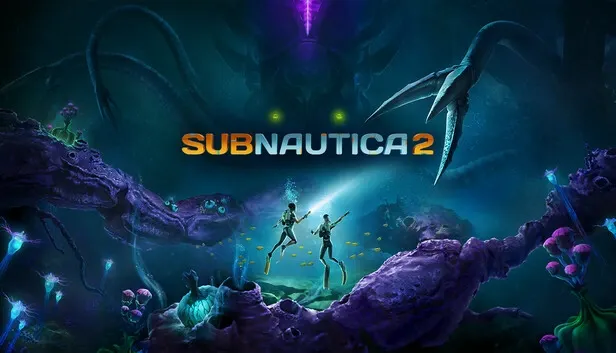
The ongoing litigation between Krafton and Unknown Worlds' former leadership has escalated significantly, with the dismissed executives blocking court-ordered forensic inspections of company systems. This development adds another layer of complexity to an already contentious dispute over the studio's direction and the upcoming Subnautica 2 release.
The former leaders, CEO Ted Gill, co-founder Charlie Cleveland, and technical director Max McGuire, argue that Krafton has fundamentally altered its legal strategy mid-litigation. Initially claiming the dismissals were due to premature release plans, Krafton allegedly shifted to accusations of improper file downloads only after the termination decisions were made.
This dispute highlights the ongoing tension between creative independence and corporate oversight in game development. The $250 million revenue target bonus tied to Unknown Worlds' acquisition creates additional financial pressure that may be influencing strategic decisions on both sides.
The delay of Subnautica 2's Early Access release remains the most tangible impact for players, though the underlying issues suggest deeper problems with how major publishers manage acquired studios. The outcome of this case could establish important precedents for creative control and financial incentives in future acquisition agreements.
Microsoft Announces Second Xbox Price Increase of 2025
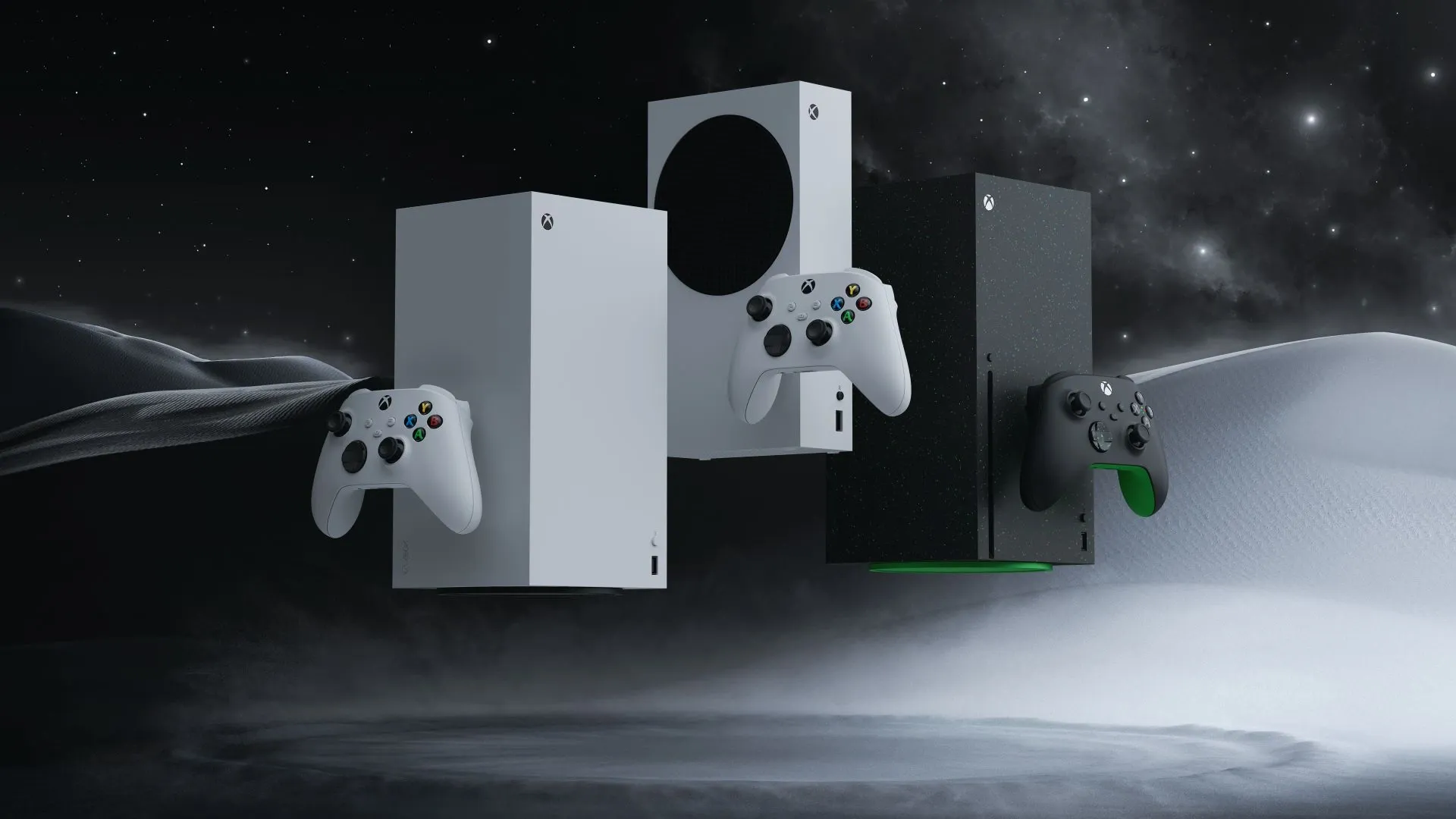
Microsoft's decision to raise Xbox console prices again reflects the challenging economic realities facing hardware manufacturers in 2025. The second price increase within a single year signals significant pressure from manufacturing costs and market conditions that show no signs of improving.
The latest increases affect all Xbox Series models, with the Series X rising to $650 and even the entry-level Series S reaching $400. These price points position Xbox consoles closer to premium electronics categories, potentially impacting the brand's accessibility advantage over competitors.
Microsoft's justification citing "macroeconomic environment" changes acknowledges broader economic factors beyond their control, though the company maintains that accessory prices and international markets remain unaffected. This regional approach suggests that US market conditions are particularly challenging for console manufacturers.
The cumulative effect of two price increases in 2025 means Xbox Series X consoles now cost $150 more than their launch price, representing a 30% increase that could significantly impact consumer adoption rates. Microsoft's emphasis on "offering more ways to play more games across any screen" suggests the company may be preparing to rely more heavily on cloud gaming and subscription services to maintain growth despite higher hardware barriers.
That concludes our September week one spotlight! Which of these releases caught your attention? Are you planning to dive into the psychological depths of Silent Hill f, or perhaps master the mystical arts in Hades II? If you're more interested in competitive gaming, we provide comprehensive coverage of major esports tournaments! Check out our analysis and predictions for Dota 2 and Counter-Strike 2, or test your prediction skills with our Pick'ems system where you can win valuable Steam marketplace items and skins by correctly forecasting match outcomes.
ChaiViz
22.09.2025
Reviews
Blog TAGS
New Games 2025
Hades II
Tokyo Xtreme Racer
Silent Hill f
ClovePit
News Feed
Loading...
Loading...
Loading...
Loading...
Loading...
Loading...
Loading...
Loading...
Loading...
Loading...