ChaiViz
14.11.2025
Reviews
New Games 2025: November Week 2 Spotlight
Welcome back to our weekly gaming roundup! November's second week brings an eclectic mix that should satisfy just about every gaming palate. We've got everything from interdimensional horror and ancient Rome city-building to sweeping Wuxia adventures and the latest Call of Duty installment. Before we dig into this week's new games 2025 releases, make sure to swing by our esports predictions and analysis for comprehensive tournament coverage. The industry news this week is particularly juicy, with Valve dropping a major hardware announcement and Todd Howard finally addressing the elephant in every Elder Scrolls fan's room. Let's dive in.
Game Releases
Possessor(s)
Platforms: PC, PS5
Release Date: November 11, 2025
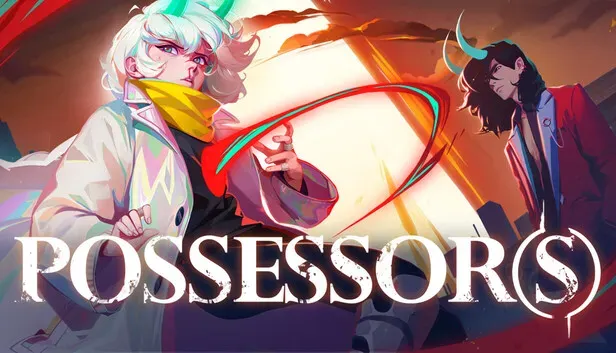
Heart Machine alumni have crafted something genuinely intriguing with Possessor(s), a fast-paced action side-scroller that wears its platform fighter influences proudly on its sleeve. You play as Luca, who shares her consciousness with Rhem, a decidedly uncooperative entity that makes for some fascinating narrative and gameplay dynamics.
The premise alone hooks you in. A quarantined mega-city has been torn apart by an interdimensional catastrophe, flooding entire districts and leaving survivors to navigate a beautifully haunting landscape of collapsed skyscrapers and abandoned infrastructure. The game's visual approach stands out immediately, layering hand-drawn animated characters over stunning 3D environments. Think of it as a horror-tinged love letter to games like Hyper Light Drifter, but with combat mechanics borrowed from the platform fighter playbook.
The interconnected world design promises genuine exploration rewards. You'll unlock new weapons and upgrades that open previously inaccessible areas, encouraging the kind of backtracking that feels rewarding rather than tedious. Combat emphasizes precision over button-mashing, with a system built around ground and air attacks, combos, and juggle opportunities. Boss encounters will test your mastery of these mechanics while the narrative slowly peels back layers of what actually happened to this doomed city.
What really elevates Possessor(s) beyond standard indie fare is its willingness to let players shape their journey. The open-ended world structure means you'll choose your own path through the ruins while encountering a cast of characters who survived the catastrophe. Each has their own devastating story to tell, adding emotional weight to your exploration. This looks like one of those games that could easily become a cult favorite among players who appreciate meticulously crafted combat systems and atmospheric world-building.
Anno 117: Pax Romana
Platforms: PC
Release Date: November 13, 2025
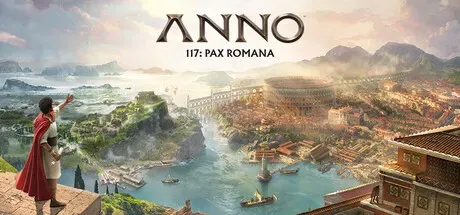
The Anno series has always delivered incredibly detailed city-building experiences, but Pax Romana represents something of a culmination for the franchise. Set during the height of the Roman Empire, you take on the role of a provincial governor tasked with balancing local needs against imperial demands. The scope here is genuinely staggering.
Your provinces stretch from the familiar Roman heartland of Latium to the mysterious Celtic wetlands of Albion, where Roman settlers went reluctantly at best. The game's attention to detail creates moments of unexpected delight. Watch children chase dogs through narrow streets. Witness thousands of citizens cheer in amphitheaters you designed and built. The simulation runs deep enough that you can genuinely lose hours just observing the daily life you've created.
The strategic layer adds considerable depth to the city-building foundation. You can forge diplomatic alliances with neighboring governors, engage in strategic land battles, or command naval forces in maritime conflicts. The emperor's demands create constant tension, and you'll face genuine consequences if you choose to defy Rome's authority. Will you honor local Celtic traditions or enforce Roman cultural hegemony? Every choice ripples through your provinces in tangible ways.
The game offers multiple paths to prosperity. Build your power through military conquest, or take the diplomatic route and grow through commerce and cultural exchange. The beauty of Pax Romana lies in how these choices fundamentally shape not just your provinces' future, but your own narrative arc as governor. Players who enjoyed the complexity of previous Anno titles while wishing for more narrative weight should find this iteration particularly satisfying.
Where Winds Meet
Platforms: PC, PS5, iOS, Android
Release Date: November 14, 2025
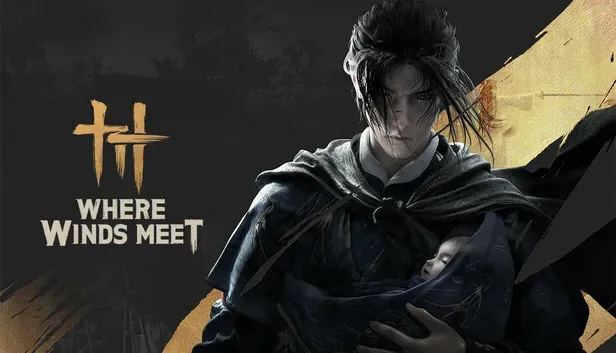
Chinese developer Everstone Studio has spent years crafting what might be the most ambitious Wuxia game ever attempted in the Western market. Where Winds Meet drops players into tenth-century China during the turbulent Five Dynasties and Ten Kingdoms period, a setting rich with historical conflict and legendary tales.
You play as a young sword master uncovering mysteries about your identity while navigating a world on the brink of chaos. The freedom here goes beyond typical open-world fare. Your actions carry genuine weight. Stir up trouble and face escalating consequences, or build your reputation as a honorable hero by helping villagers and forging strategic alliances. The game presents authentic historical activities alongside its combat systems, letting you play flutes beneath willows or share drinks under lantern-lit skies between battles.
The traversal system embraces Wuxia aesthetics completely. Scale rooftops with supernatural grace, glide through the air using qinggong techniques, or use fast travel to move between the game's 20-plus distinct regions. Combat offers genuine flexibility. You can focus on melee weapons like swords and spears, master ranged combat with bows, or take the stealthy approach. The roster of traditional Wuxia weapons includes rope darts, fans, and even combat umbrellas, all with their own movesets and tactical applications.
What really sets Where Winds Meet apart is its dual nature. The narrative-driven solo campaign promises rich storytelling and character development, but the game also supports seamless four-player co-op. Guild systems enable large-scale group activities, including competitive guild wars and multiplayer dungeons. The developers have essentially built two complete experiences into one package, targeting both players who want deep single-player adventures and those seeking MMO-style community engagement. Whether this ambitious fusion succeeds remains to be seen, but the scope of the attempt deserves recognition.
Call of Duty: Black Ops 7
Platforms: PC, PS5, PS4, Xbox Series X/S, Xbox One
Release Date: November 14, 2025
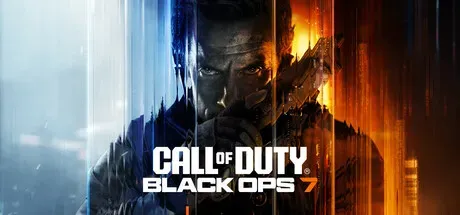
Treyarch and Raven Software are making bold claims with Black Ops 7, positioning it as the largest entry in the Black Ops lineage. Set in 2035, the campaign follows David Mason as he leads an elite team into Avalon, a sprawling metropolis where they uncover a conspiracy that threatens global stability while forcing them to confront personal demons.
The campaign's headline feature is its innovative co-op design. Treyarch has completely rethought how Black Ops campaigns work, building the experience around squad-based gameplay that functions whether you're playing solo or with friends. This represents a significant departure from traditional Call of Duty campaign structure, potentially opening the series to new gameplay possibilities.
Multiplayer launches with an impressive 16 six-versus-six maps alongside two 20-versus-20 battlegrounds, giving players substantial variety from day one. The new Omnimovement system promises to revolutionize player mobility, though we'll need to see it in action to judge whether it genuinely transforms the formula or just adds complexity for its own sake. The arsenal features cutting-edge weaponry fitting for the 2035 setting, though series veterans know better than to get too attached to launch balance.
Round-Based Zombies returns, and Treyarch isn't being modest about the scope. They claim this installment features the largest Zombies map in Black Ops history, set within the Dark Aether's ever-shifting hellscape. The mode promises to blend classic round-based survival with new environmental challenges as reality itself becomes unstable. For a franchise built on incremental improvements, Black Ops 7 at least talks a good game about pushing boundaries. Time will tell whether these ambitions translate into genuine innovations or just more familiar Call of Duty excellence with a fresh coat of paint.
Happenings in the Gaming World
Todd Howard Preaches Patience for The Elder Scrolls 6

The question haunting every Elder Scrolls fan finally got addressed, though the answer won't satisfy anyone hoping for imminent news. In a recent GQ interview, Bethesda director Todd Howard confirmed that The Elder Scrolls 6 remains far from release, urging fans not to feel anxious despite the years-long wait.
Howard revealed that while hundreds of developers work on Fallout projects including the ongoing Fallout 76 support, The Elder Scrolls 6 represents "the everyday thing" for the studio. The game currently undergoes internal playtests as the team evaluates core systems and overall direction. Howard's philosophy remains consistent with his past work: "Great games are played, not made. The screen doesn't lie."
Perhaps most intriguingly, Howard expressed his preference for shadow-dropping games, mentioning that last April's surprise release of The Elder Scrolls 4: Oblivion Remastered served as "a test run" that "worked out well." He suggested his perfect scenario involves the game appearing suddenly after a long development silence, though he stopped short of confirming this approach for The Elder Scrolls 6.
The timeline remains frustrating for fans. The game was first confirmed in 2016 and formally entered pre-production during Bethesda's 2018 E3 presentation. That makes it over seven years since announcement with no clear release window in sight. Howard's call for patience feels somewhat hollow given this extended timeline, though his candor about the development process at least offers transparency. Whether fans maintain enthusiasm through potentially several more years of waiting remains the real test.
Sony Takes $204 Million Hit from Bungie Impairment
Sony's latest earnings report revealed some uncomfortable truths about its Bungie acquisition. The company reported a 13 percent reduction in operating income for its Games and Network Services segment, totaling approximately $777.7 million for the quarter ending in September.
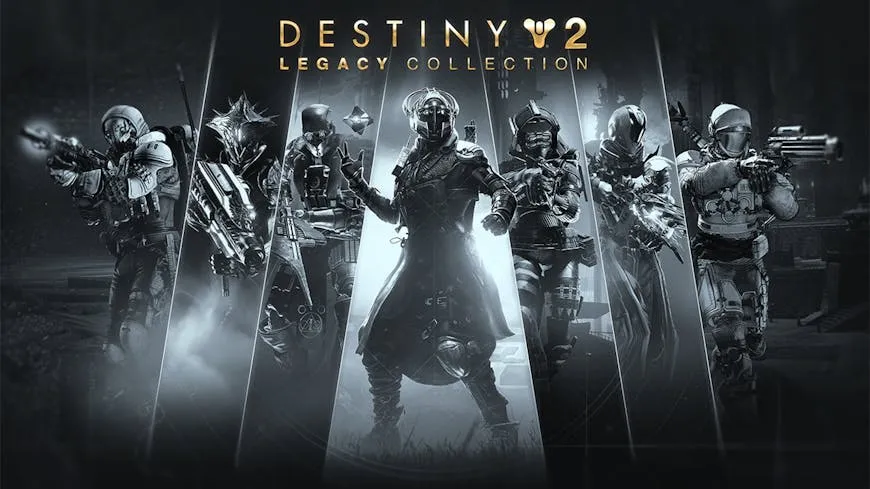
The primary culprit? Impairment losses worth roughly $204 million against Bungie assets connected to Destiny 2. Sony's report didn't specify exactly which intangible assets took the hit, but the scale suggests significant internal reevaluation of the studio's worth. An additional $116.7 million loss came from corrections to previously capitalized development costs, adding insult to financial injury.
Strip away these one-time charges and the picture improves dramatically. Sony noted that operating income would have actually increased 23 percent year-over-year, driven by growing network services revenue and software sales. The company maintains optimism about continued growth through the fiscal year's second half, projecting steady expansion in software and network services.
Some positive news tempered the Bungie disappointment. Ghost of Yotei, which launched for PlayStation 5 in early October, sold 3.3 million copies within its first month. That's a strong showing for a new IP and suggests Sony's first-party development remains healthy despite the Bungie complications.
The broader Games and Network Services segment reported quarterly sales of approximately $7.1 billion, up four percent. Sony has revised its full-year forecast upward by three percent to about $28.5 billion, anticipating increased hardware sales and favorable foreign exchange rates. The operating income forecast remains unchanged, suggesting Sony views the Bungie impairment as an isolated correction rather than a systemic problem. Still, that $204 million write-down serves as an expensive reminder that even major acquisitions can quickly turn problematic.
Valve Returns to Steam Machine with Major Hardware Push

Valve just dropped perhaps the biggest PC gaming hardware announcement since the Steam Deck. The company revealed plans for Steam Machine, a console-like device designed to bring Steam gaming directly to your television. The announcement came alongside reveals for a new Steam Controller and Steam Frame VR headset, signaling Valve's renewed commitment to hardware beyond its successful handheld.
Steam Machine targets the living room gaming market with specs that dwarf the Steam Deck. Valve claims six times more power than its portable predecessor, capable of 4K gaming at 60 FPS with FSR upscaling and ray-tracing support. Under the hood sits a semi-custom AMD Zen 4 CPU paired with an RDNA3 GPU featuring 8GB GDDR6 VRAM. The device offers both DisplayPort and HDMI outputs, Ethernet connectivity, and Wi-Fi 6E, positioning itself as a legitimate alternative to traditional gaming PCs.
Two models will launch: a 512GB version and a 2TB variant, both available either bundled with the new Steam Controller or standalone. MicroSD expansion provides additional storage options. Valve representatives described the pricing as comparable to entry-level gaming PCs, though specific numbers remain under wraps until next year.
This represents Valve's second attempt at cracking the Steam Machine market. The company's 2015 partnership with various hardware manufacturers produced multiple Steam Machine models with mixed results. Those devices were completely phased out by 2018 after failing to gain meaningful market traction. Valve acknowledged learning valuable lessons from that experiment, particularly regarding the challenge of convincing developers to port games to Linux.
The company addressed that concern directly with extensive work on Proton compatibility, claiming nearly all games now work out of the box on SteamOS. This represents a fundamental shift from the original Steam Machine approach, potentially removing the biggest barrier to mainstream adoption. Valve plans to begin shipping all three devices in early 2026 across every region that currently receives Steam Decks.
The Steam Controller adoption of Steam Deck control features makes perfect sense given that device's success. Whether the broader market embraces a dedicated Steam living room box remains the billion-dollar question. Console gaming has its dedicated audience, PC gaming has its enthusiasts, and convincing either group to embrace a hybrid device that doesn't quite match the simplicity of consoles or the raw power of high-end PCs presents real challenges. Still, Valve's track record with Steam Deck suggests they've learned how to execute hardware projects successfully. This second swing at Steam Machine deserves close attention.
That wraps up our November Week 2 spotlight! Did any of these releases catch your eye? If traditional gaming isn't scratching that competitive itch, remember we've got comprehensive esports coverage for Dota 2 and Counter-Strike 2. Check out our detailed analysis and predictions, or test your own forecasting skills with our Pick'ems system. Predict match outcomes and compete for expensive items and skins from the Steam marketplace. Sound interesting? Give it a shot.
ChaiViz
14.11.2025
Reviews
Blog TAGS
New Games 2025
Possessors
Anno 117 Pax Romana
Where Winds Meet
Call of Duty Black Ops 7
News Feed
Loading...
Loading...
Loading...
Loading...
Loading...
Loading...
Loading...
Loading...
Loading...
Loading...